
Gain an in-demand skillset that blends liberal arts and technology, preparing you to stand out in the job market and excel in a wide variety of careers.
The Ivan Allen College offers 10 bachelor's degrees across six Schools. Students in every major may also pursue an accelerated B.S./M.S. in a related program.
Bachelor's Degrees
Blurb / Gallery Set
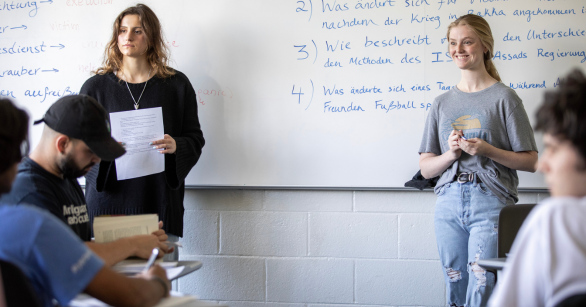
B.S. in Applied Languages and Intercultural Studies
In our globalized world, it is no longer enough to learn a new language if it is not accompanied with applicable skills for emerging industries, real-world problem-solving, and sustainable development.
The Bachelor of Science in Applied Languages and Intercultural Studies (ALIS) pairs advanced language skills with intercultural competence, positioning students to work in a variety of fields across global industries.
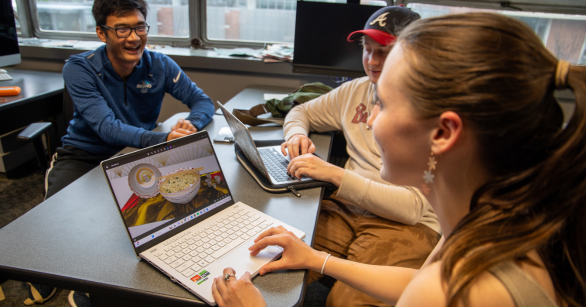
B.S. in Computational Media
The Bachelor of Science in Computational Media blends computing with creative expression, preparing students to design and develop interactive media.
Computational media undergraduates gain hands-on experience in video game design, animation, user experience (UX) development, special effects, and interactive storytelling.

B.S. in Economics
The STEM-certified Bachelor of Science in Economics provides a strong theoretical foundation in economic thought and policy as well as rigorous training in applied empirical analysis.
Students develop skills for careers in economic consulting, transportation, investing, healthcare, energy, self-employment and more.
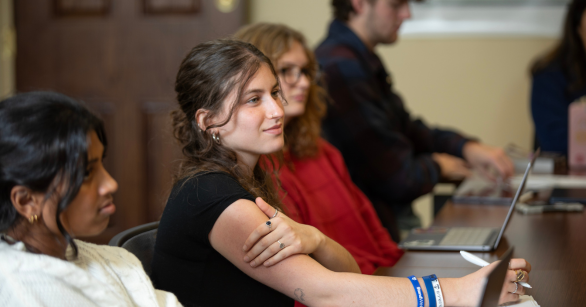
B.S. in Economics and International Affairs
The STEM-certified Bachelor of Science in Economics and International Affairs (EIA) is a joint degree offered by the Sam Nunn School of International Affairs and the School of Economics.
The specialized program provides training in economic theory, methods, and policy systematic analysis to address the most pressing challenges in international affairs today.
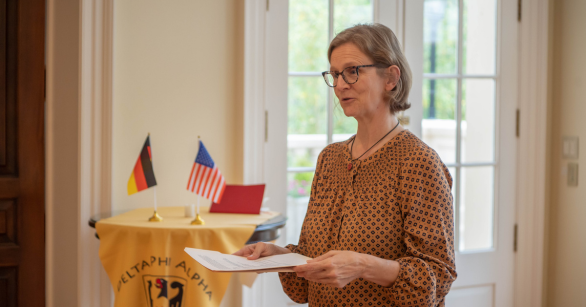
B.S. in Global Economics and Modern Languages
With increasingly interconnected international markets, success in the global economy requires the ability to operate in multilingual and multicultural environments.
The Bachelor of Science in Global Economics and Modern Languages (GEML) combines knowledge of global economics with advanced language skills, preparing graduates to meet the needs of industry and government agencies alike and position themselves for the future economy.
B.S. in History, Technology, and Society
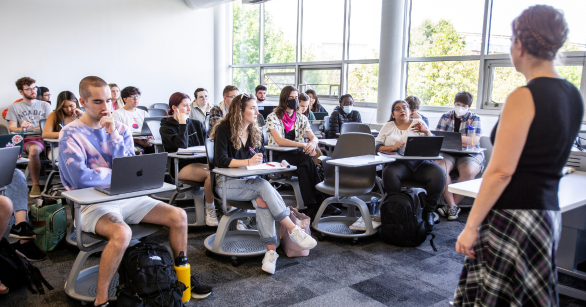
What better place to study the social and cultural consequences of innovation than at a world-renowned technological university?
Students in the Bachelor of Science in History, Technology, and Society (HTS) explore how politics, power, and inequality intersect with science and medicine, developing the insights to advocate for social justice and sustainable change.
B.S. in International Affairs
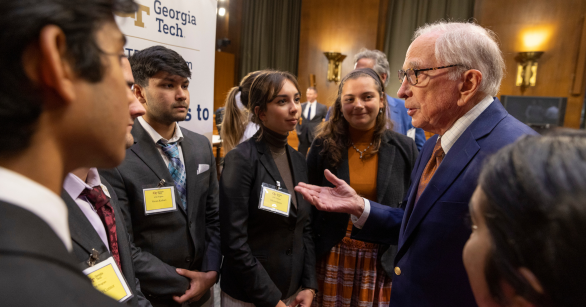
The Bachelor of Science in International Affairs prepares students to engage in strategic planning and analysis in an interdependent, multicultural world.
Students concentrate in global development, international security, or international affairs, science, and technology, among other areas of focus.
B.S. in International Affairs and Modern Languages
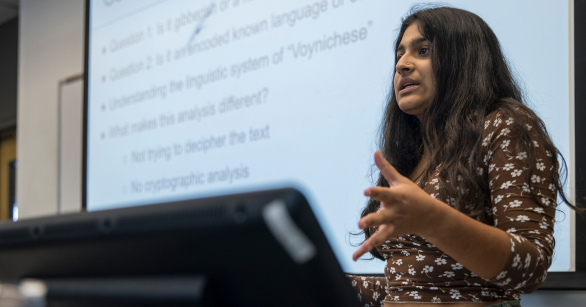
The Bachelor of Science in International Affairs and Modern Languages (IAML) is a joint program between the Sam Nunn School of International Affairs and the School of Modern Languages.
Students combine intensive foreign language training with the technical, scientific, language, and international affairs knowledge to successfully interact with other societies and cultures.
B.S. in Literature, Media, and Communication
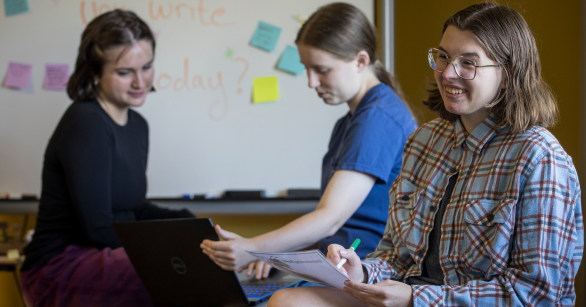
Reading critically, communicating persuasively, and working collaboratively are the foundations for any successful career.
These are the skills students develop in Georgia Tech’s Bachelor of Science in Literature, Media, and Communication (LMC), where storytelling is not just for creative writers, but for sharing, shaping, and growing every new idea.
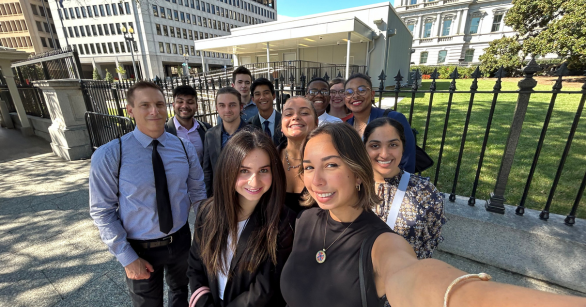
B.S. in Public Policy
The Bachelor of Science in Public Policy provides students with the tools they need to turn motivation into action in government, law, business, or the nonprofit sector.
Students choose two focus clusters and complete at least one internship for academic credit.