Black athletes have long played an important role in the fight for freedom, democracy, and racial equality, with household names including Jackie Robinson and Muhammad Ali.
But a new book by Georgia Tech sports historian Johnny Smith and his long-time co-author Randy Roberts argues that Joe Louis, the world heavyweight boxing champion from 1937 to 1949, is overdue for recognition as an influential civil rights activist as well.
“Before Muhammad Ali, before Jackie Robinson, there was Joe Louis,” Smith said. “He was foundational in shaping the way that Black athletes became political actors.”
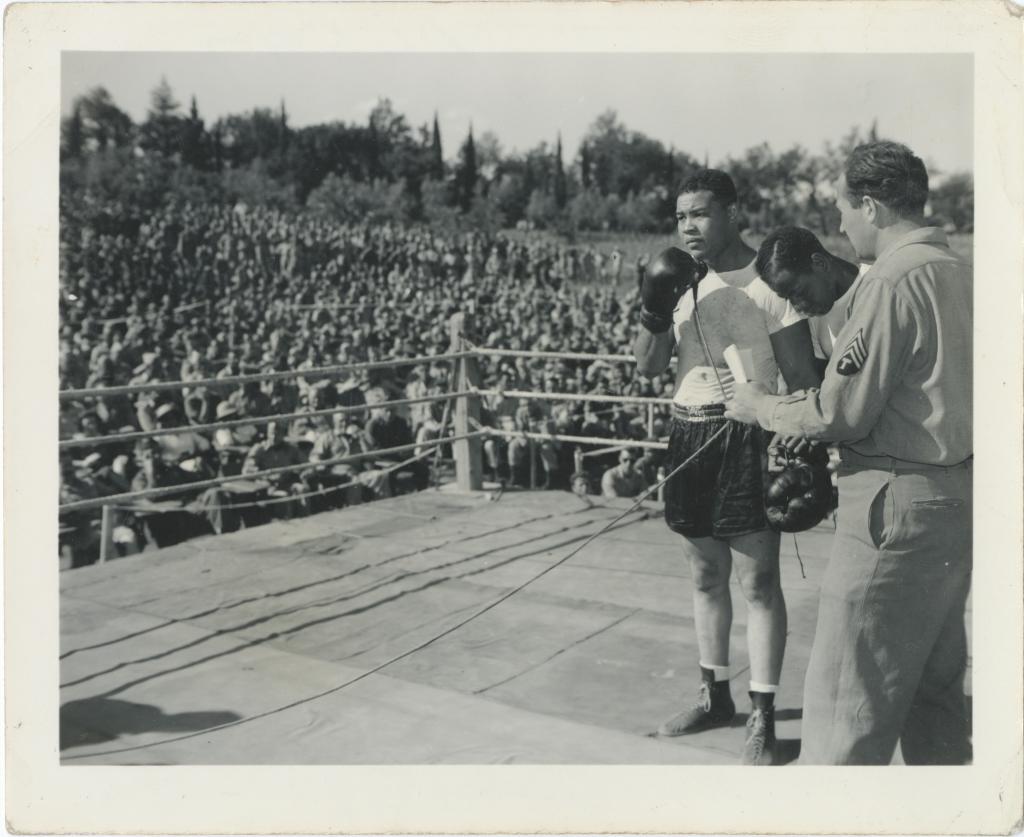
Joe Louis speaking at an army exhibition match during World War II.
Image courtesy of the National World War II Museum.
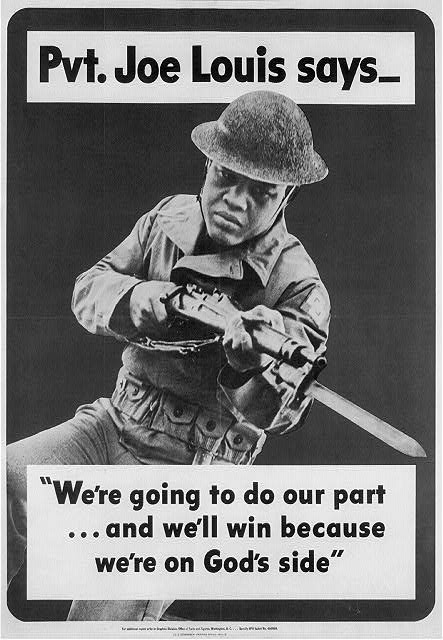
Army poster featuring Joe Louis.
Image courtesy of the Library of Congress.
The Untold Story
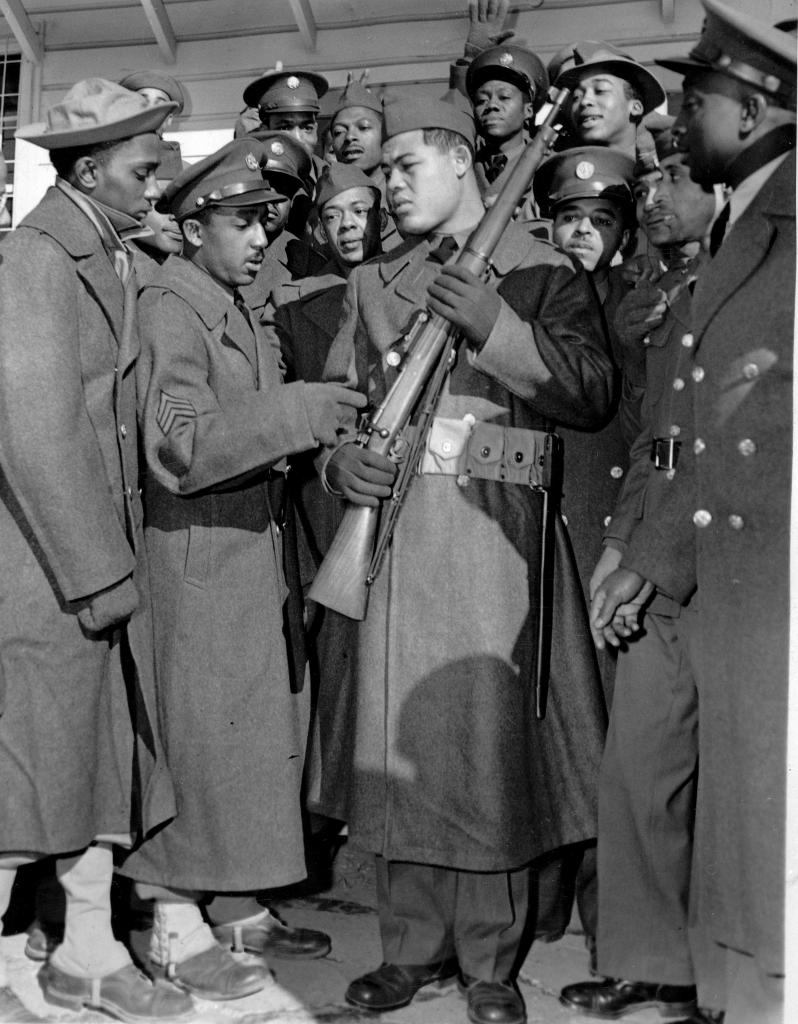
Image courtesy of the Chicago History Museum.
Many people are familiar with Louis for his bout with German boxer Max Schmeling in the run-up to World War II, explained Smith, the Julius C. "Bud" Shaw Professor of Sports History in Georgia Tech’s School of History and Sociology.
However, much less is known about Louis’s time serving as a morale booster in the U.S. Army during the war, how he donated his winnings from two title defenses to the Army and Navy Relief Funds, and his post-war speeches urging veterans and citizens to fight for civil rights and voting rights.
“This is not how Joe Louis is remembered, and that's why we felt like this story was so important,” Smith said.
Smith and Robert’s book, The Fight of His Life, illuminates multiple accounts of Louis’s activism, including an influential incident at the Camp Sibert Army Base in Alabama, where he refused to leave the “white only” bus depot and was detained. The story circulated in Black newspapers and was later cited as inspiration by Jackie Robinson who made a similar stand at Fort Hood in Texas.
A Lasting Legacy
What can we learn from Louis’s story? Smith emphasizes the championship boxer’s repeated calls for racial cooperation and peaceful resistance.
“Louis called for racial unity, and I think that that's an important lesson, even today,” Smith said. “Even in the worst of times, when Black veterans were being assaulted by white mobs, Louis said, ‘We cannot give in to violence, we cannot give in to retribution. We must find peaceful solutions.’”